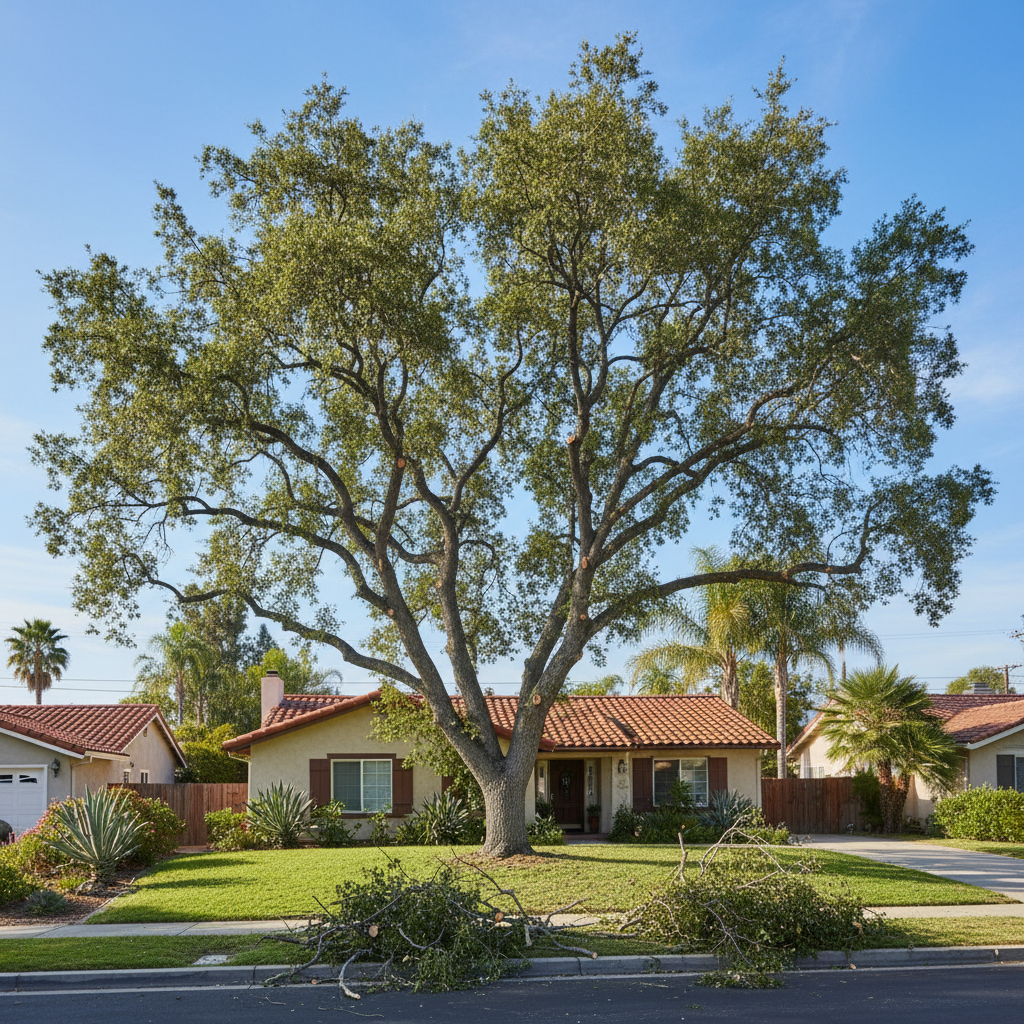
When's the best time to prune your trees here in Whittier? That's a question I get asked a lot, and it's a good one. It's not just about hacking off branches when they look messy. There's a real science to it, especially with our unique Southern California climate. Get it wrong, and you could be doing more harm than good to your beautiful shade trees or fruit bearers.
Why Timing Your Pruning Matters So Much
Think of pruning like surgery for your trees. You wouldn't want a surgeon operating at the wrong time, right? Same goes for trees. The timing affects everything: how fast they heal, how vigorously they grow back, and even their resistance to pests and diseases. Here in Whittier, we don't get those harsh, long winters that put trees into a deep, predictable dormancy like folks do back east. Our 'winter' is often just a slightly cooler, wetter period, which means trees can still be pretty active.
The main goal of pruning is usually to remove dead, diseased, or damaged branches, improve air circulation, encourage fruit production, or shape the tree for safety and aesthetics. Doing it at the right time minimizes stress on the tree and maximizes the benefits.
When to Schedule Your Tree Pruning in Whittier
For most deciduous trees (the ones that lose their leaves), the general rule of thumb is late fall or winter, after they've dropped their leaves but before new growth starts in spring. This is when they're dormant. Why then? Well, there are a few reasons:
- Easier to See Structure: Without leaves, it's much simpler to see the tree's natural shape and identify any crossing, weak, or dead branches that need to go.
- Reduced Stress: The tree isn't actively growing, so pruning causes less stress. It's like taking a nap after a big meal – easier to recover.
- Pest & Disease Prevention: Many pests and diseases are less active in cooler weather, so open wounds from pruning are less likely to get infected.
Now, for evergreen trees, it's a bit different. You can often prune them lightly any time of year to remove dead or damaged branches. For more significant structural pruning, late winter or early spring, just before a growth spurt, is usually best. That way, the tree has the energy to recover quickly.
Fruit trees have their own specific schedules too. For example, citrus trees, which we see a lot of in older Whittier neighborhoods like Friendly Hills, are often best pruned after they've finished fruiting, usually in late winter or early spring, to encourage new growth for the next season's crop.
Weather Conditions to Watch Out For
Our weather here in Southern California is generally pretty mild, but there are still conditions that can affect tree work:
- Rain: While a little drizzle isn't a problem, heavy rain can make conditions unsafe for climbers and equipment. Wet wood is slippery, and wet soil can get compacted or damaged by heavy machinery. Plus, open wounds on a tree are more susceptible to fungal infections in prolonged wet conditions.
- Wind: High winds are a big no-go for tree work. It's incredibly dangerous for anyone up in a tree, and it makes controlling falling branches nearly impossible. We'll always reschedule if the Santa Ana winds are blowing hard.
- Extreme Heat: Working in scorching summer heat isn't ideal for the crew, but more importantly, it can be extra stressful for the trees. Pruning during a heatwave can make a tree more vulnerable to sunscald or drought stress.
I'm always checking the forecast before we head out. Safety for my crew and the health of your trees are my top priorities.
Protecting Your Investment Year-Round
Pruning is just one piece of the puzzle. To truly protect your tree investment, you've got to think year-round:
- Regular Inspections: Walk around your property once a month. Look for anything unusual: strange spots on leaves, branches rubbing together, dead wood, or signs of pests. Catching problems early can save your tree.
- Proper Watering: Even established trees need water, especially during our long, dry summers. Deep, infrequent watering is usually better than shallow, frequent sprinkles.
- Mulch: A good layer of organic mulch (like wood chips) around the base of your trees helps retain moisture, regulate soil temperature, and suppress weeds. Just keep it a few inches away from the trunk.
- Professional Check-ups: I recommend having a certified arborist like myself from Oasis Tree take a look at your trees every couple of years. We can spot issues you might miss and recommend preventative care or necessary treatments.
Your trees are a valuable part of your property and our Whittier community. A little knowledge about timing and care goes a long way in keeping them healthy and beautiful for years to come. Don't hesitate to give us a call if you've got questions or need a hand.