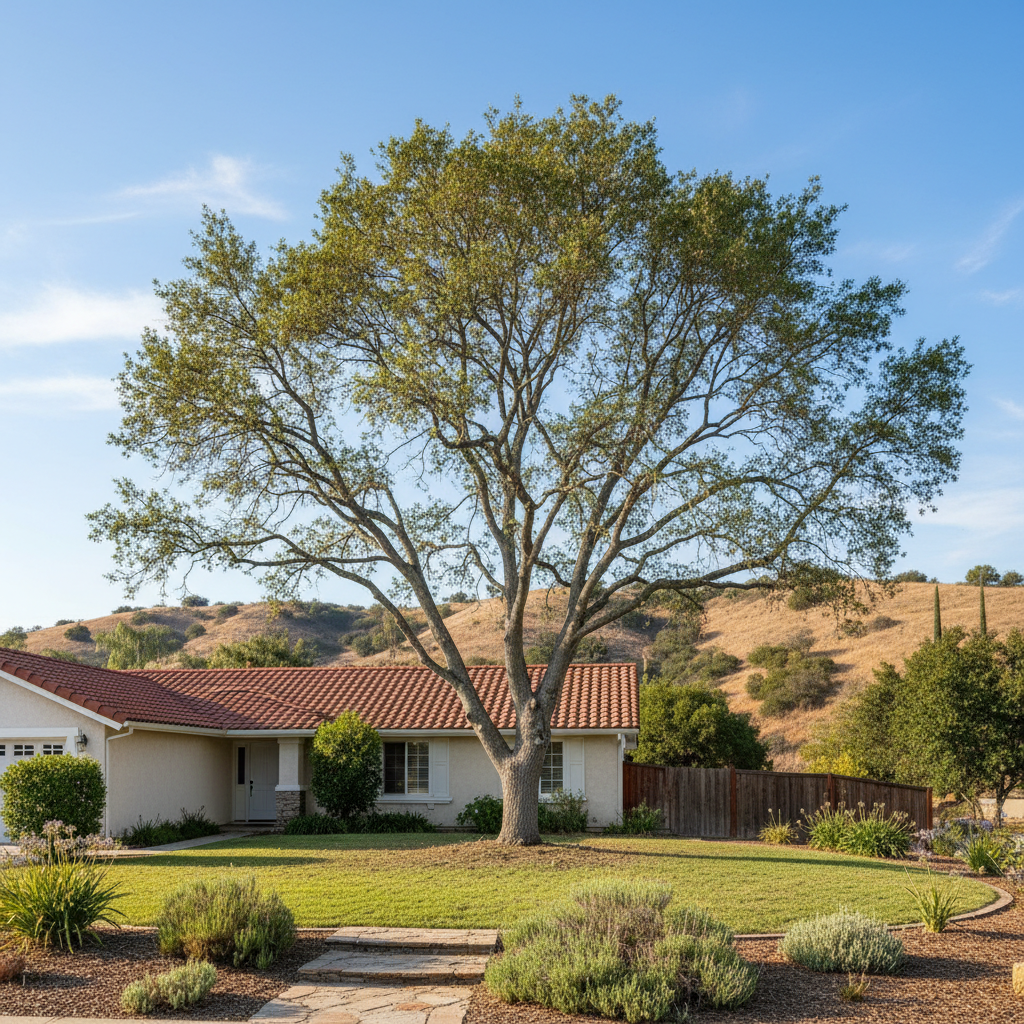
Finding a good tree service shouldn't be a guessing game, but for a lot of folks, it is. You've got trees that need work, and you want it done right, safely, and without breaking the bank. I get it. I've been in this business for a long time, right here in Whittier, and I've seen the good, the bad, and the downright ugly. So, let's talk about how you can sort through the options and pick a contractor you can trust.
What to Ask Before They Even Quote
You wouldn't hire just anyone to work on your house, and your trees are no different. They're an investment, and a big part of your property's value and safety. Here are the non-negotiable questions you need to ask any potential tree service:
Are you licensed and insured? This isn't optional, it's mandatory. They need a C-27 Landscape Contractor license from the Contractors State License Board (CSLB) for anything beyond basic gardening work. And they absolutely, positively must have liability insurance and workers' compensation insurance. If they don't, and someone gets hurt on your property or your house gets damaged, you could be on the hook. Don't just take their word for it; ask for copies of their certificates and call the insurance company to verify.
Can you provide references? A reputable company will be happy to give you a few names and numbers of past clients. Call them! Ask about their experience, if the job was completed on time, and if they were satisfied with the cleanup.
What's your approach to this specific job? Don't let them just say, "We'll cut it." Make them explain their plan. Are they climbing, or using a lift? How will they protect your landscape, your house, or your neighbor's fence? What kind of cuts are they planning? For instance, if you've got an old sycamore in your front yard near the historic district, you want someone who understands how to prune it for health and structure, not just chop at it.
What's the cleanup process? A good tree service leaves your property cleaner than they found it. Will they haul away all debris? Chip it on site? Rake up the small stuff? Get it in writing.
Decoding the Quote: What to Look For
Once you've got a few quotes, don't just compare the bottom line. A cheap quote can often mean cheap work or corners being cut. Here's what a good quote should include:
Detailed Scope of Work: It should clearly describe exactly what they're going to do. "Prune oak tree" isn't enough. It should say something like, "Crown cleaning and reduction on 40-foot oak, removing deadwood, crossing branches, and reducing canopy by 15% to clear roofline and power lines."
Itemized Costs: While not always fully itemized by every single task, it should break down the major components. Is stump grinding included? Hauling? Permits (if needed)?
Proof of Insurance and License Numbers: These should be on the quote itself or attached. If not, that's a red flag.
Total Price and Payment Terms: Make sure the price is fixed unless unforeseen circumstances arise (which should be discussed and agreed upon beforehand). Understand when payment is due – typically, a deposit might be required, with the balance upon satisfactory completion. Never pay the full amount upfront.
Big Red Flags to Watch Out For
Some things should make you walk away, no questions asked:
Door-to-door solicitation: "We just finished a job down the street and noticed your tree needs work." This is a classic scam tactic. Reputable companies don't usually operate this way.
Cash-only demands: This is a huge red flag for tax evasion and lack of proper business practices. It also leaves you with no paper trail.
No insurance or license: As I said, non-negotiable. Don't risk it.
High-pressure sales tactics: "This price is only good today!" or "Your tree is going to fall any minute!" A professional will give you time to think and compare.
Quotes that are drastically lower than others: If one quote is half the price of the others, there's a reason. It usually means they're cutting corners, aren't insured, or don't have the right equipment.
How to Verify Legitimacy
You've got a few names, you've asked your questions, and you've got quotes. Now, do your homework:
Check the CSLB website: Go to cslb.ca.gov and use their "Check a License" tool. Enter their license number. It'll tell you if it's active, if they have workers' comp, and if there are any disciplinary actions.
Call their insurance company: Use the phone number on the certificate they provided. Verify that the policy is active and covers the type of work they'll be doing on your property.
Look them up online: Check Google reviews, Yelp, and the Better Business Bureau. See what other people are saying. A few negative reviews aren't necessarily a deal-breaker, but a pattern of complaints about damage, poor communication, or unfinished work should give you pause.
Ask for a physical address: A legitimate business will have one, even if it's just a home office. Be wary of P.O. boxes only.
It might seem like a lot of steps, but trust me, taking the time upfront saves you a lot of headaches and potential costs down the road. Here at Oasis Tree, we're always happy to answer these questions and provide all our documentation. We want you to feel confident in your choice, whether it's us or another reputable company. Your trees deserve the best care, and you deserve peace of mind.