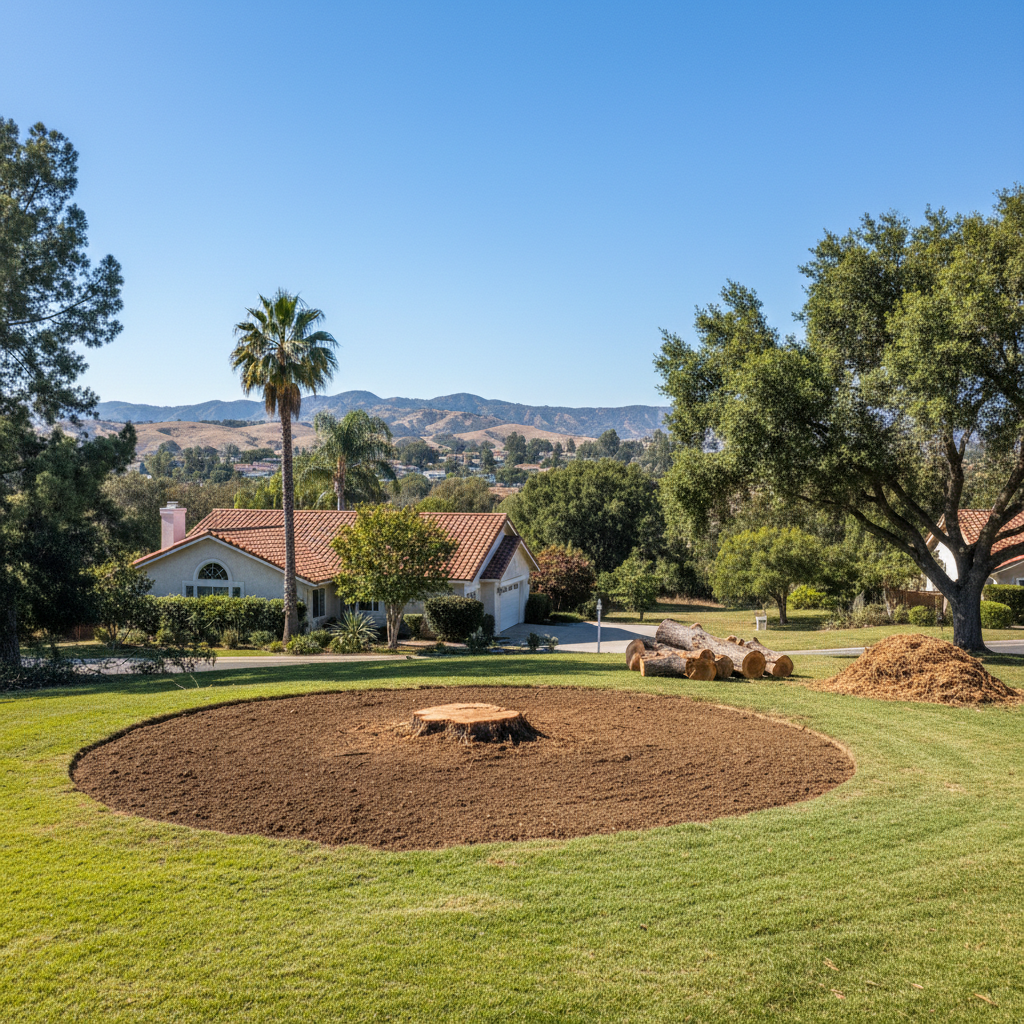
So, you've had a tree come down, or had one removed in an emergency. Maybe it was that big pepper tree in your backyard after a crazy Santa Ana windstorm, or a dying oak near your house. The immediate danger is gone, and you're breathing a sigh of relief. But the job isn't over. What you do next, and what you keep an eye on, makes a huge difference in keeping your property safe and healthy for years to come.
Extending the Life of the Work: What Happens After the Chainsaws Stop?
When we talk about 'extending the life of the work' after an emergency removal, we're really talking about preventing future problems. The immediate concern is usually the stump and any remaining root systems. If we've ground the stump, that area is now clear, but it's not 'done.' You've got a fresh patch of disturbed soil that needs attention. You don't want to just leave it as a dirt patch, especially here in Whittier where we get those dry spells followed by heavy rains. Exposed soil can erode, and you might see new growth from any remaining root fragments.
If the tree was diseased, or if it fell due to pests, you need to think about what that means for nearby trees. We always try to clean up thoroughly, but spores or insects can linger. It's like having a sick person in the house; you clean up after them to protect everyone else. So, consider the health of the surrounding landscape. Sometimes, a tree falling reveals issues you didn't even know were there in the soil or with other plants.
For any trees that were damaged but not fully removed, proper pruning is key. Don't just hack off broken branches. That can stress the tree further and open it up to disease. A clean, proper cut helps the tree compartmentalize the wound and heal correctly. This isn't just about looks; it's about the tree's long-term health and stability.
Regular Maintenance: Your Post-Removal Checklist
Once the initial emergency is handled, your focus shifts to ongoing care. Here's what I tell folks:
- Monitor the Stump Area: If we ground the stump, keep an eye on the soil. You might want to amend it and plant something new, or lay down some mulch. This helps prevent erosion and can suppress any stubborn root sprouts. If you opted not to grind, watch for suckers coming up around the base. These need to be removed promptly, or they'll just keep growing.
- Water Wisely: If other trees were stressed by the event (maybe roots were disturbed, or they were exposed to more sun suddenly), they might need a little extra TLC. Deep, infrequent watering is usually best for established trees, especially during our long, dry summers.
- Inspect Nearby Trees: This is huge. The tree that fell might have been a symptom, not the only problem. Look at its neighbors. Are they leaning? Do they have similar signs of disease or pest infestation? A professional assessment after a major event is never a bad idea.
- Clean Up Debris: Make sure all the smaller branches, leaves, and wood chips are cleared. Piles of organic debris can attract pests or create fire hazards, especially in the brush areas we have around the hills here.
Warning Signs: What to Look For
You've been through one emergency; you don't want another. Keep an eye out for these red flags:
- New Cracks or Leaning: If a tree near the removal site starts to lean, or you see new cracks appearing in the trunk or soil around its base, that's a serious problem.
- Sudden Dieback: Patches of leaves turning brown and dying off rapidly, especially on one side of a tree, can indicate root damage or disease.
- Fungal Growth: Mushrooms or other fungi growing at the base of a tree, or on its trunk, often signal internal decay.
- Pest Infestation: Sawdust-like frass, exit holes, or excessive sap oozing can mean borers or other destructive insects are at work.
- Root Sprouts: If the old stump or roots start sending up lots of new shoots, it means the root system is still alive and trying to regrow. While not immediately dangerous, it shows the old tree is still active and could indicate a need for further treatment.
When to Call a Professional (Like Us at Oasis Tree)
Look, I'm a big believer in homeowners taking care of their property. But some things are just too risky or complex to handle yourself. You should call us, or another reputable arborist, if:
- You see any of those warning signs. Don't wait. A small problem caught early is a lot cheaper and safer to fix than a big one.
- You're not sure about a tree's stability. If a tree looks like it might be compromised, especially after high winds or heavy rain, get an expert opinion. Trust your gut.
- You need significant pruning on a large tree. Big branches, especially over your house or power lines, are not a DIY project. The wrong cut can do more harm than good, and it's dangerous.
- You want to plant a new tree. We can advise on the best species for our specific Whittier soil conditions and climate, and where to plant it for optimal growth and minimal future issues.
- You're dealing with persistent root suckers or stump regrowth. Sometimes, a simple spray isn't enough, and you need professional treatment to fully kill off the old root system.
Your property is an investment, and your family's safety is paramount. After an emergency tree removal, staying vigilant and knowing when to call in the pros is the smartest thing you can do.